
The Warning Lights Are Flashing for November’s Elections
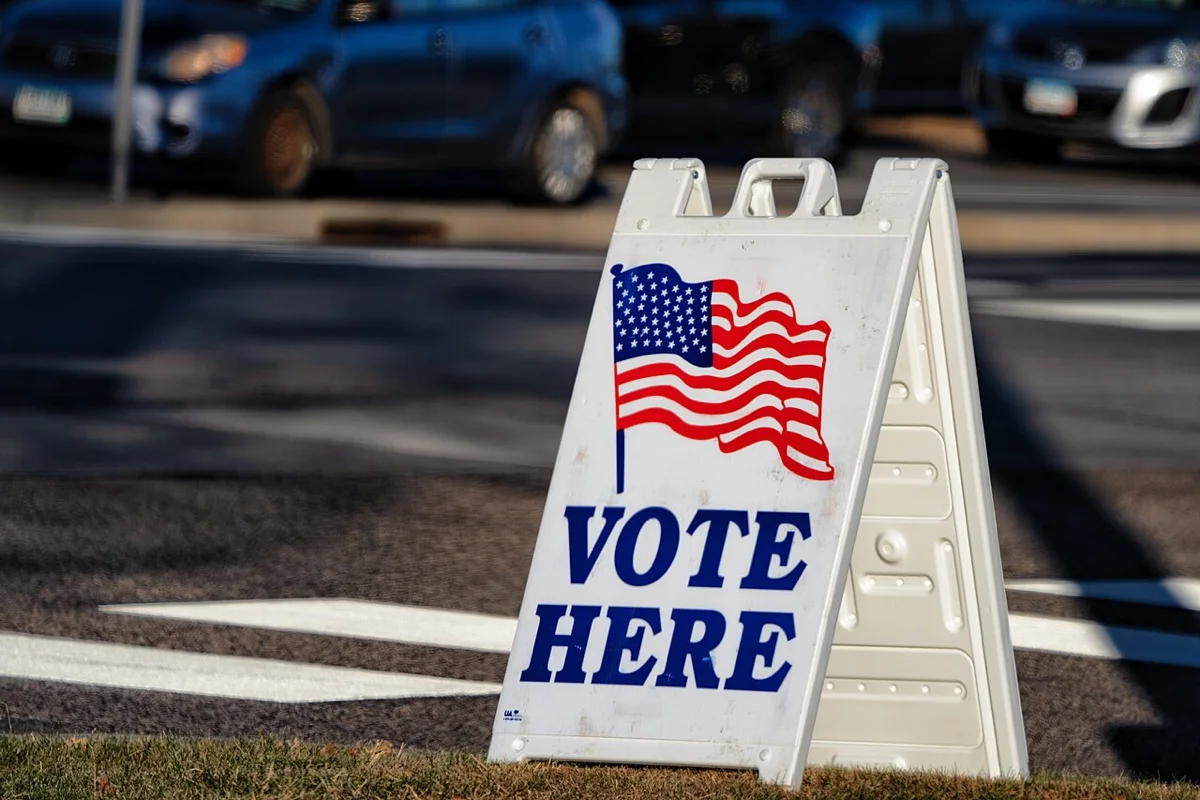
Signs that the Trump administration plans to interfere with the midterm elections in November abound. His primetime speech last month sounded the alarm, alleging Chinese meddling, droves of foreigners registering to vote, and an election system perilously vulnerable to attack. Trump implied widespread fraud and a vast cover-up by the news media and other perceived enemies.
With all that sound and fury, a viewer might not have noticed what he did not say. The President never cited any evidence of a single fraudulent vote cast in any U.S. election.
Nonetheless, the public needs to heed the alarm, though not for the reasons he gave. The message the President intended to send was this: The 2020 election was stolen by enemies and they will surely try again this year. Congress must stop it by passing the SAVE act, which supporters say would protect election integrity, but in practice would suppress the vote.
Trump’s allies have been urging him for months to declare a national emergency to justify a federal takeover of the constitutionally assigned job of running elections in certain states. The president’s televised speech might have been aimed at laying the groundwork for such a declaration.
Already Trump has tried through executive order to mandate proof-of-citizenship, restrict military and overseas voters, and pressure states to toss late-arriving ballots only to be stopped by federal judges. On July 26, the 1st U.S. Circuit Court of Appeals affirmed a permanent injunction from a district court, which had found Trump exceeded presidential authority by attempting to override the constitutional allocation of election administration to the states and Congress. In that case, an executive order had called on the Postal Service to restrict the delivery of mail-in ballots in states that don’t hand over lists of eligible voters. It also directed the Department of Homeland and the Social Security Administration to create a list of verified absentee voters, which the Postal Service would refer to when delivering ballots, and threatened to withhold federal funds to states that don’t comply with the order. The government has appealed the 1st Circuit’s ruling to the Supreme Court.
Federal officials have been enlisting state actors to help with its election aims. The day after Trump’s speech, Department of Homeland Security Secretary Markwayne Mullin pledged aggressive action against election officials who decline to participate in his department’s voter-roll audits: “fines, by penalties, and even, depending on how far it goes, prison.” The data driving those audits will come from the SAVE database, a system with a reputation for producing wildly inflated counts of supposed noncitizen registrants. DHS has quietly conceded its numbers aren’t fully vetted. More than a dozen federal courts have sided with states that refused to hand over their rolls, and a federal judge has ruled the audit program itself illegal.
In Georgia, the Justice Department sued Georgia Secretary of State Brad Raffensperger to hand over unredacted voter files of all 8.2 million registered Georgia voters. Those files contain full dates of birth, driver’s license numbers, and partial Social Security numbers. Raffensperger refused, saying state law forbade it. The Georgia state Senate then, by resolution, urged Raffensperger to hand the files over anyway, and the State Election Board voted 3-1 to demand the same.
Read that again: Georgia’s own legislature formally asked its Secretary of State to violate his reading of Georgia law and divulge sensitive voter information to the federal government. So did the board that oversees the state’s elections.
As for ICE agents coming to polling places, in February a DHS Deputy Assistant Secretary assured election officials that any such suggestion was “simply disinformation.” Five months later, acting Attorney General Todd Blanche, testifying at his confirmation hearing, declined to rule it out, offering only that he would “follow the law.” Trump himself has said his regret about election certification in 2020 was not deploying the National Guard. This month, the Pentagon confirmed that the National Guard will remain deployed in Washington, D.C. through Inauguration Day 2029.
It appears the administration’s answer has moved from “that’s disinformation” to “I’ll follow the law.”
Federal law makes it a crime to deploy armed men or troops to a polling place. Georgia law is no more welcoming. The Supreme Court declined to bless the Chicago National Guard deployment, and federalized troops also came home from Los Angeles, Portland and Chicago.
The problem is that the federal criminal laws are enforced by the Justice Department, which may choose to ignore a violation. Moreover, the court rulings in the National Guard cases left the door open to invoke the Insurrection Act.
There are ample warnings that Trump wants the federal government to take the job of running elections from the states. In February he said in a podcast interview, “Republicans should nationalize elections.”
State officials and the public – and especially lawyers – must act now to defeat the plan and protect the integrity of these all-important elections.
Prepared with editorial assistance from Mike King, a former reporter, editor and editorial board member of The Atlanta Journal-Constitution. King is a free-lance writer and published author.
Additional Statements
Federal judges say they’re facing intensified threats since start of Trump’s second term
“Things have gotten so much more dangerous,” a federal judge said in an interview with POLITICO. “I think we are headed in the wrong direction.” GLRL is gravely concerned with the increased threats against judges and the Rule of Law. Judges must be allowed to do their...
Can Jay Clayton 2.O Be Trusted to Stand Up to the President?
The Jay Clayton who chaired the Securities and Exchange Commission would make a perfect Director of National Intelligence (DNI). Jay, who was my boss at the SEC, was someone who pulled no punches and always spoke the truth. Those are crucial qualities for the vital...
A Threat to the Midterm Elections
There are a few words in Article I of the Constitution that you probably never paid attention to but could be tremendously important in the midterm elections. I became aware of them last year while writing Stealing Elections, American Style. One of the chapters in...
Georgia Lawyers for the Rule of Law Opposes the Nomination of Todd Blanche to Be Attorney General of the United States
At GLRL, we believe the Department of Justice is in crisis because of numerous threats to its institutional integrity. Over the course of the past year, we have expressed our deep concern about these threats, including the loss of independence of the Department of...
Join Us
We are building a coalition of Georgia attorneys who are committed to the Rule of Law. Please fill out the form if you would like to be part of our initiative to preserve the Rule of Law.
Contact Us
Do you have questions or need to speak with GLRL? Email info@georgialawyersfortheruleoflaw.org, and we'll get back to you as soon as we are able.